- 微信关注

-

关注孔氏国际钟表官方微信
关注孔氏国际钟表官方微信
 时间:2023-01-29
 来源:未知
来源:未知
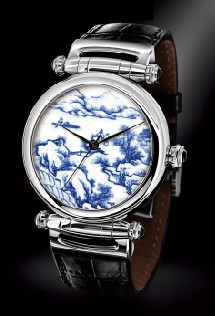
Enamel watches were introduced to China in the late Ming Dynasty in the 17th century, and with their
magnificent, noble and mysterious characteristics, they were popular in the imperial family as royal watches in the Qing Dynasty, and were loved by successive emperors, especially the Yongzheng and Qianlong Emperors. Therefore, the royal craftsmen of the palace "manufacturing office" also began to develop enamel clocks and integrated Chinese culture into them, gradually evolving into the imperial craftsmanship with an oriental style, which was exquisite enough to rival European clocks at that time.
However, the most glorious history of Chinese enamel clocks can only be glimpsed in the display cases of the Forbidden City. "It was the best of times", lamented the idea of enamel art clocks with Chinese cultural connotations, a watch brand called Kong's is working with Swiss watch factories, rooted in the vast and rich cultural soil of China, eager to produce a flower.
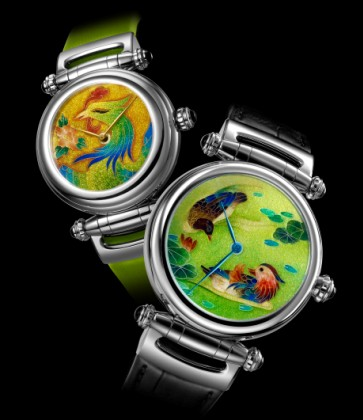
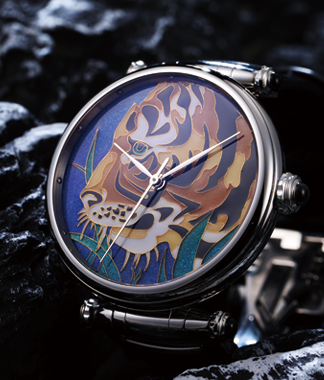
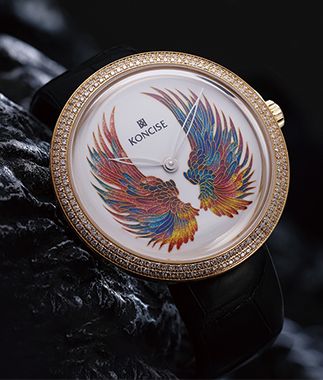
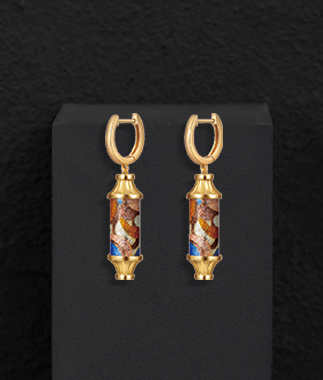
It is understood that enamel has three techniques: cloisonné enamel, filled enamel and painted enamel, which can be fired on the ground of gold tires, copper tires, porcelain tires, glass tires, purple sand tires and other tires. In the firing process, the composition ratio of various minerals requires professional technology, the enamel layer after firing the kiln is completely water-free, and the density of solid enamel is higher than that of the powder state, and the volume will inevitably be reduced. Therefore, the process of painting and firing needs to be repeated until the polished enamel surface is in the same plane as the other metal parts, achieving the effect of perfect integration of the whole. Every successful piece is preceded by several times more scrap.
Because enamel watches must be handmade, fired and polished by skilled and experienced enamel masters, there is no alternative to any mechanical device, so they are highly collectible.
@孔氏官网-KONGSHI官网 保留所有权利京ICP备18052644号-1


 目录
目录


 免费标准配送
 免费礼品包装
 预约门店服务
 微博
微博 抖音
抖音 小红书
小红书 公众号
公众号